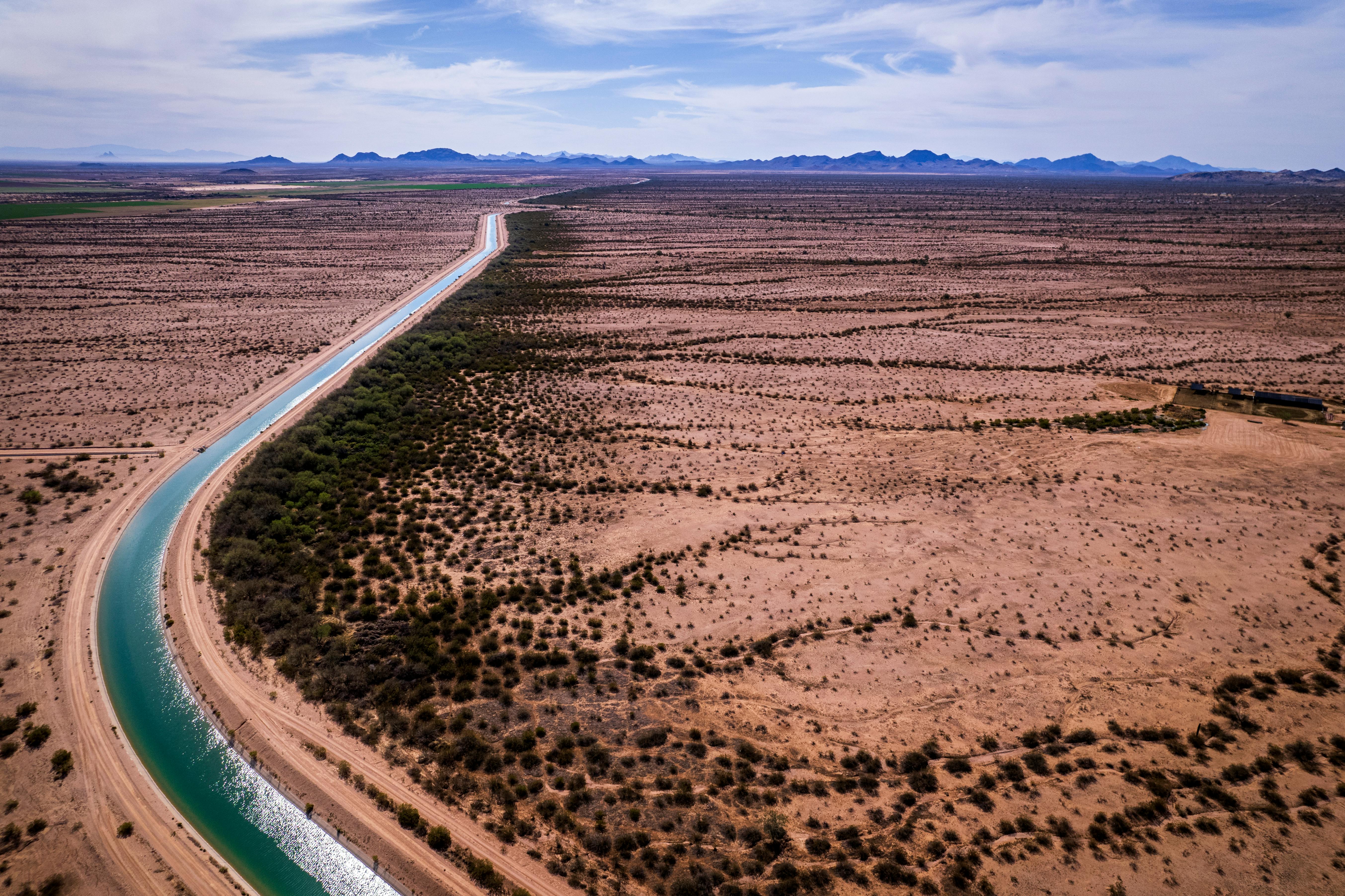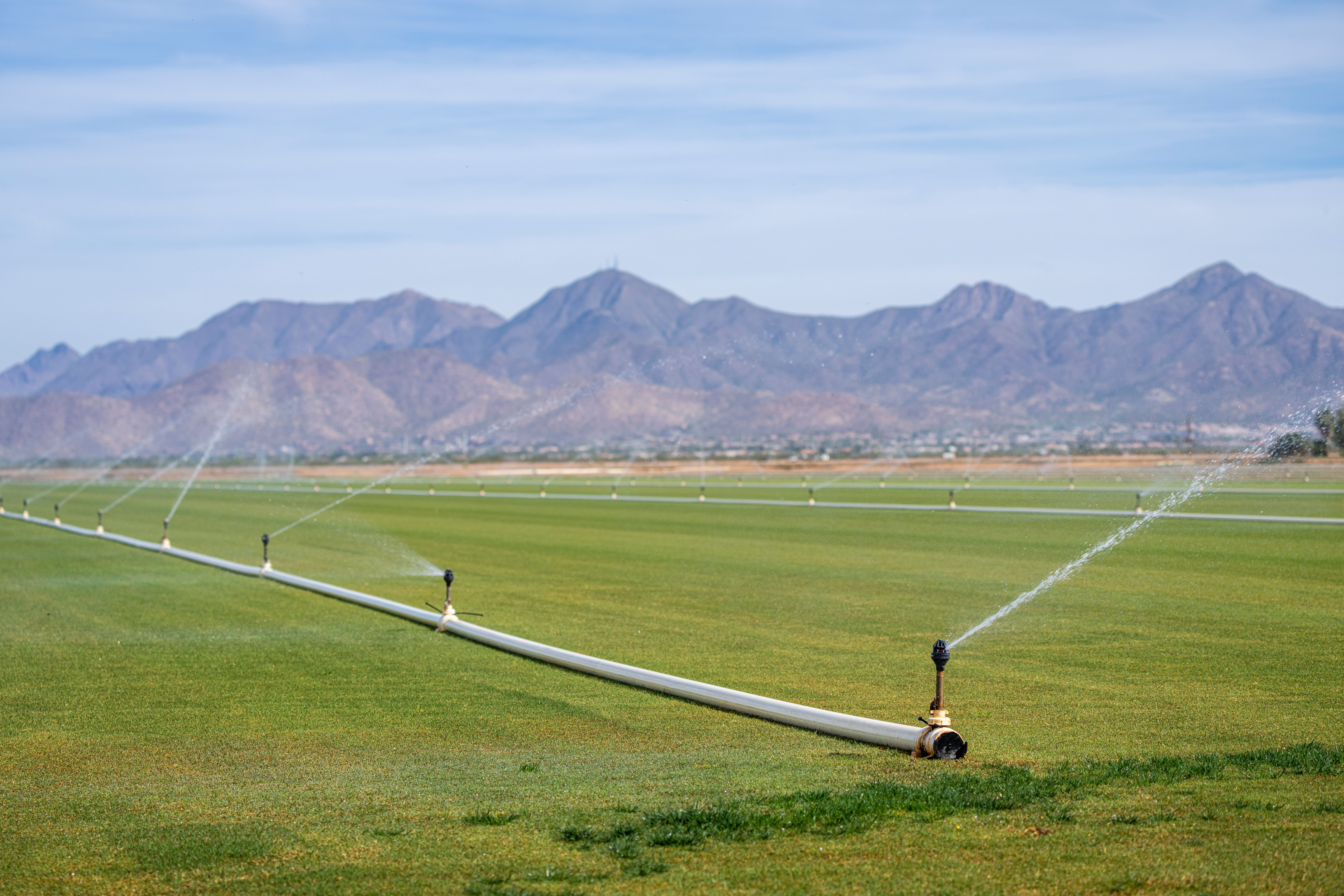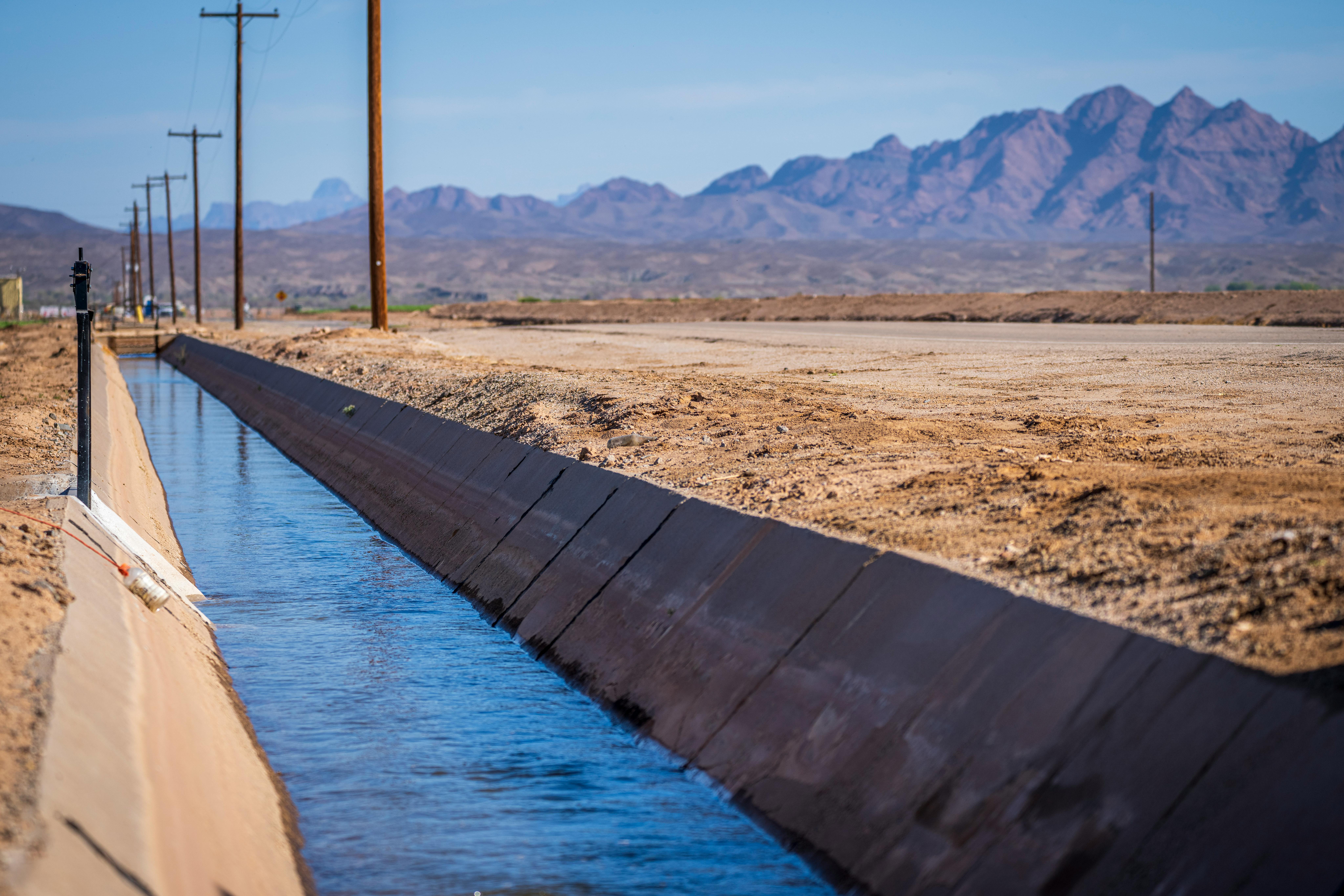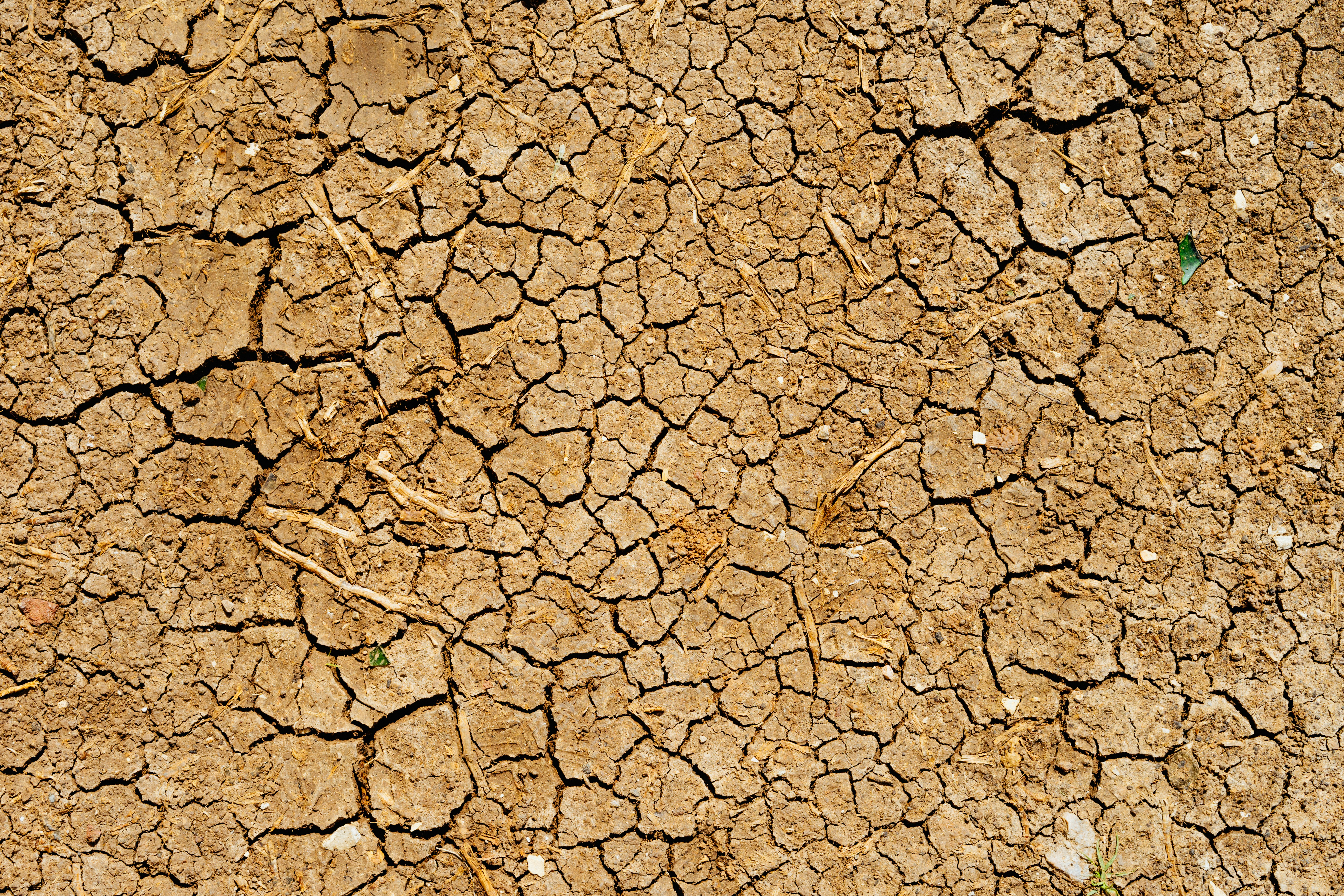
This is not a natural drought. This is a documented, systematic extraction of Arizona's groundwater by foreign corporations, data centers, Bitcoin mines, and politically connected developers — with no accountability, no recharge obligation, and no plan to replace what they take.
Picture a glass of water. Your family has a straw. Your neighbor has a straw. The farmer down the road has a straw. Everyone's been sharing this glass for generations and it worked — because nobody was taking more than their share.
Then one day, more straws appear. Longer ones. Fatter ones. One massive red straw that goes deeper than all the others and pulls twice as hard. Then more show up. And more.
The glass empties. You're still standing there with your straw. And the water is gone.
The water drops on the outside of the glass? That's what's already been lost. Already extracted. Already shipped overseas or evaporated into a data center's cooling system. Already gone from your aquifer forever.
These are not anonymous corporations. They have names, addresses, documented extraction volumes, and political connections. Here is what is known about each one — sourced from public record.
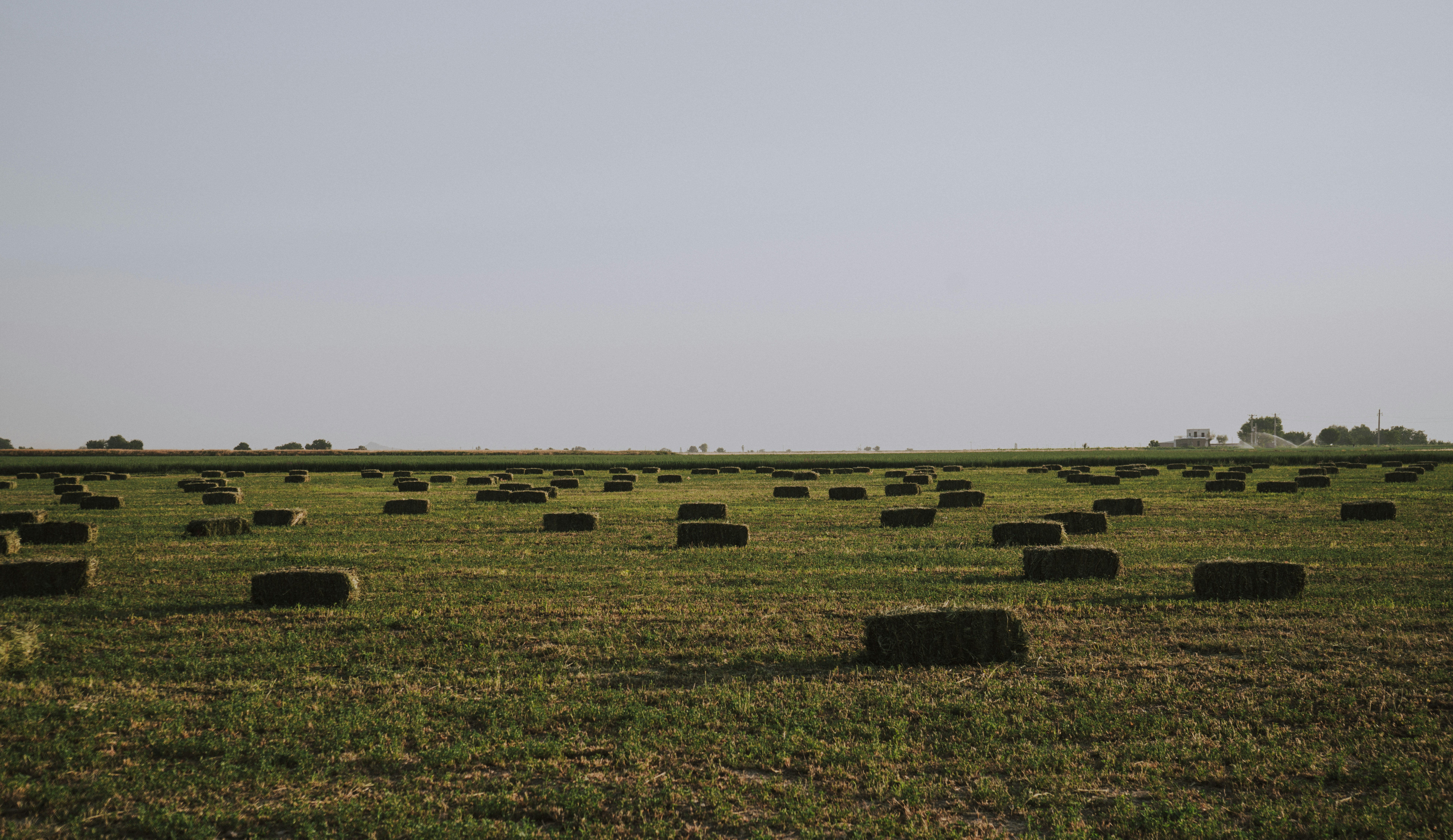
Fondomonte is a subsidiary of Almarai, the largest dairy company in the Middle East, itself majority owned by the Saudi government. They purchased 10,000 acres in La Paz County, Arizona — one of the most water-stressed counties in the state — and began pumping groundwater at approximately 64,000 gallons per minute to grow alfalfa hay for export to Saudi Arabia.
Saudi Arabia banned domestic alfalfa farming in 2018 specifically to protect their own water supply. Rather than reduce consumption, they outsourced the water depletion to Arizona, where groundwater outside Active Management Areas requires no reporting and no recharge obligation.
In January 2026, Governor Hobbs rescinded Fondomonte's state land lease — but the damage to the Ranegras Plain aquifer, which has dropped over 242 feet since the 1980s, cannot be undone. And Fondomonte is one of dozens of similar operations that received no attention.
Sources: La Paz County Supervisor / Sentient reporting, ADWR, phys.org January 2026, USDA FAS 2025
Al Dahra is an Abu Dhabi-based agricultural conglomerate operating alfalfa farming operations in Pinal County, Arizona. Like Fondomonte, Al Dahra grows alfalfa for export to the UAE and surrounding Gulf states — exporting Arizona groundwater as cattle and horse feed that never returns to the basin.
The UAE imported 76,932 metric tons of U.S. alfalfa in 2024 — a 42% decline from prior years, but still tens of millions of dollars worth of Arizona water shipped overseas. Pinal County has among the fastest-dropping water tables in the state.
These operations exist in a regulatory gap: outside of Active Management Areas, Arizona law allows landowners to pump "reasonable" amounts of groundwater with zero reporting, zero oversight, and zero accountability to the communities downstream.
Sources: USDA FAS 2025, Hay and Forage Magazine February 2025, ADWR
Cascade Investment LLC, the private investment vehicle of Bill Gates, purchased approximately 24,800 acres of Arizona desert west of Buckeye in 2017 for a reported $80 million. The land is designated for a planned community called Belmont (also referred to as Sun Valley or Los Oro) — a proposed city of up to 300,000 residents covering roughly 80 square miles.
The project has received fast-track consideration from Maricopa County. The water source for 300,000 new residents in one of the most water-stressed regions of the country has never been publicly documented or guaranteed.
This is not a conspiracy theory. It is public record. The land purchases are documented. The development plans are filed. The question of where the water comes from remains unanswered — and largely unasked by the officials approving the project.
Sources: Public land records, Arizona Republic reporting, Maricopa County planning documents
A major data center development approved by Pinal County sits directly above the Santa Cruz River aquifer system — the same underground water source that has sustained the Tohono O'odham and Akimel O'odham (Pima) peoples for thousands of years.
Data centers use evaporative cooling — a process that converts groundwater to steam and releases it into the atmosphere. Unlike agricultural irrigation, which partially percolates back into the soil, evaporative cooling returns zero water to the aquifer. The water is simply gone.
When the aquifer drops below the reach of tribal wells, the O'odham people have no alternative source. They cannot afford to drill deeper. They cannot afford water trucks. They have no political leverage against the corporations that fast-tracked these approvals. They are the shortest straw in the glass — and nobody is asking what happens to them when it runs dry.
Kevin O'Leary — who publicly boasts of 22 million social media followers and has used that platform to call environmental advocates "Russian and Chinese assets" — is a named investor in the Solaris data center project proposed for Arizona.
The proposed site sits on or adjacent to federally protected migratory bird habitat. The project proposes to be powered by natural gas — not renewable energy — meaning it would simultaneously deplete Arizona's groundwater through evaporative cooling and generate carbon emissions from fossil fuel combustion.
When advocacy groups — including teenage environmental podcasters who have been documenting water issues since they were twelve — raised objections, O'Leary went on his podcast and accused them of being foreign intelligence assets. No evidence was provided. No retraction was issued.
O'Leary then took his claims to Marco Rubio, who took them to Republican-controlled oversight committees. The pattern — silence critics, fast-track permits, extract profit, leave — is documented and ongoing.
Sources: O'Leary podcast statements, public project filings, federal migratory bird habitat records
The operations named above are the ones that got attention. What about the ones that didn't? Phyllis, a longtime Marana resident, spent years following foreign agricultural operations and documented unpermitted wells being drilled on her own. When she contacted state water regulators they said: "What are you talking about? No permits were pulled for that location."
Satellite imagery of Arizona's unregulated agricultural zones shows approximately 80 foreign-operated alfalfa farms — most of them invisible to regulators because outside Active Management Areas there is no requirement to report, document, or account for groundwater extraction at all.
The Tohono O'odham and Akimel O'odham peoples have lived along the Santa Cruz and Gila river systems for thousands of years. Their water rights predate Arizona statehood. Their wells draw from the same aquifers now being targeted by data centers, Bitcoin mines, and foreign agricultural operations.
When the aquifer drops below the reach of tribal wells — what happens?
They cannot drill deeper on a tribal budget. They cannot afford water trucks at commercial rates. They have no political leverage against corporations with billions in capital and direct lines to federal oversight committees.
Nobody at the county approval meetings asked this question. Nobody at the state legislature asked it. The permits moved forward. The water is being extracted. And the O'odham are waiting for an answer that nobody intends to give them.
This is the water crisis that doesn't make the news — because the people most affected have the least power to demand coverage.
When corporations are asked about their water and carbon footprint in Arizona, some offer offset credits — investments in conservation projects in other states or countries. An offset credit purchased in Brazil is worth exactly zero gallons to a family in Pinal County drilling a new well at $50,000 out of pocket. This is not stewardship. It is permission to keep taking, dressed in green language.
This is not a failure of oversight. It is the absence of oversight — deliberately maintained. Here is how each layer of the system enables extraction while appearing to regulate it.
Arizona's groundwater law only applies strict oversight within Active Management Areas. Most foreign agricultural operations deliberately locate outside AMAs — in La Paz, Pinal, and other unregulated counties — precisely because no reporting is required.
Documented cases of wells being drilled without permits, operators violating extraction limits, and permits being issued and then quietly ignored. Regulators who were asked about unpermitted wells said they had no record of them. Because there was no record to have.
Development projects like Belmont and the Pinal data center received expedited approval processes. The water supply question was never publicly resolved before approvals were granted. The political pressure to approve came from interests with billions at stake.
When corporations face public scrutiny, they offer offset credits, sustainability pledges, and green energy commitments. None of these return water to Arizona aquifers. They are designed to satisfy the optics of accountability without the substance of it.
Share this page. Contact your county supervisor, your state legislators, your congressional representatives. Document what you see. The corporations are counting on your silence.